Welcome to the first issue of Parcel Post! Glad you’re here.
So, let’s start with the obvious question: why a newsletter? With so many social media outlets available for connecting and sharing info, what’s the upside of opt-in, long-form writing?
To answer that question, we need to take a little visit to my hometown.
Courtesy of the Census Bureau and the American Community Survey (ACS) 5-year Estimate, here are some stats about the small town where I grew up:
- Population (roughly): 1,382
- Median household income: $50,263
- Median property value: $141,700
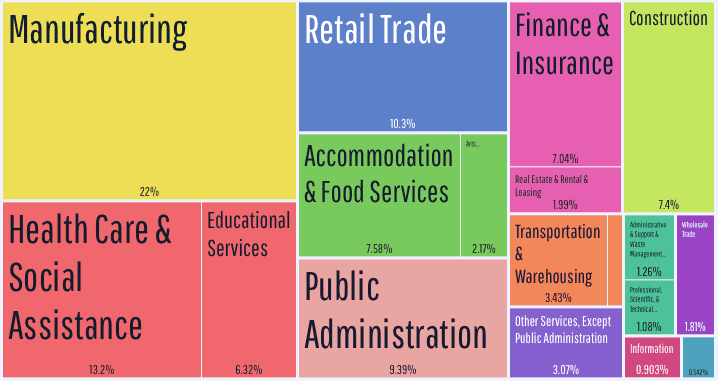
Breaking it down even further, the town employs approximately 554 people, with many working in the neighboring town, or one of the larger cities 30 minutes in either direction, north or south. The largest industries in my town are Manufacturing (122 people), Health Care & Social Assistance (73 people), and Retail Trade (73 people). The employment mix looks something like this:
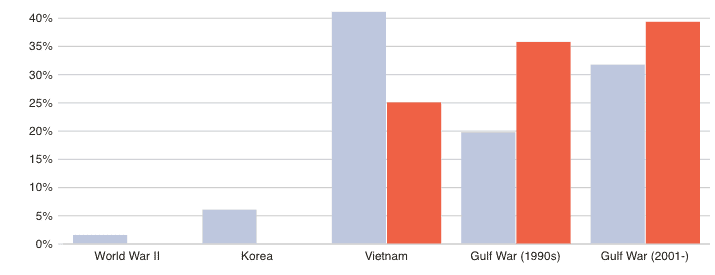
My town has a large population of military personnel who served in the Gulf War, 1.1 times greater than any other conflict (represented in orange in the following chart), and more than the U.S. average (represented in grey):
People in my hometown have an average commute time of 26.4 minutes (likely commuting to one of the larger cities nearby), and they typically drive alone to work. Vehicle ownership is higher than the national average, with an average of 3 vehicles per household. This data isn’t in the Census report, but I can attest from personal experience that one or more of those vehicles is very likely a pickup truck.
At Rural & Co., we love data. Data paints a picture. Data provides context. But data alone doesn’t tell you the very real, and very human stories behind those numbers.
It doesn’t tell you about the culture of shift work, how some people spend years sleeping during the day, and going to work at night.
It doesn’t tell you about the local newspaper that used to have a section called “News Items,” where someone visiting your house, or an elderly person falling ill would warrant a few column inches.
But data alone doesn’t tell you the very real, and very human stories behind those numbers.
It doesn’t tell you about the absolute necessity of waving when you pass someone you know, or how the owner of the country store in town would pick bushels of sweet peaches on his farm, and sell them door-to-door (they were delicious).
And the data doesn’t tell the story of those who grew up, moved away, and flourished in careers in tech, sports, business or entertainment (including our very own Grammy-nominated, multi-platinum artist).
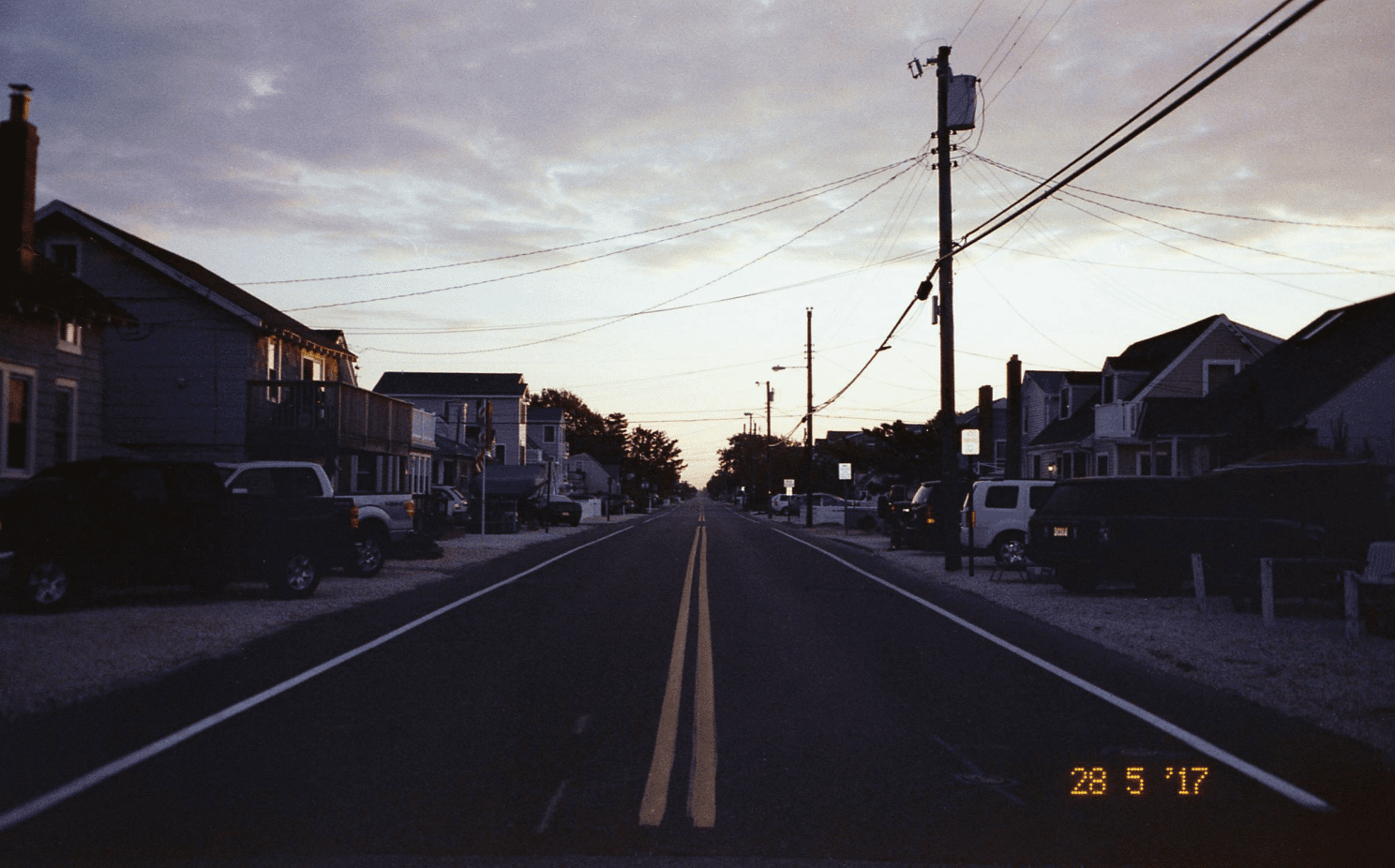
The point of all of this is that in a world where information is moving at the speed of thought, and AI is taking up all of the oxygen in the room, those real, human stories can get lost. People can get abstracted away in the aggregate. I’ve been using my hometown as an example here, but it speaks to the essential reason why Rural & Co. exists: those are the kind of stories we want to tell. And especially now, in the AI era, those are the kind of stories you should want to hear. Why did the founder start that company? How are lives changed by a certain product or service? What are your team members proudest of? What problems are you trying to solve? Can AI be a powerful medium for helping us tell more engaging, dynamic, and compelling stories? We think so.
It speaks to the essential reason why Rural & Co. exists: those are the kind of stories we want to tell. And especially now, in the AI era, those are the kind of stories you should want to hear.
By extension, Parcel Post is a deeper exploration of how we stay connected, stay sharp, and stay human in a time when tech is moving fast and clarity matters more than ever. Every couple of weeks or so, we’ll share a few useful signals: ideas, tools, and provocations, all delivered with warmth, intention, data, and hopefully even a bit of delight.
At Rural & Co., we believe in slower signals and smarter questions. We believe the future of creative work isn’t about chasing trends. It’s about choosing your lane, sharpening your tools, and building in a way that feels real. This newsletter is one small way to share that work in progress. To stay connected. To send something useful, thoughtful, and human, like a good letter always has.